How Gottman Method Training Strengthens Individual Clinical Practice
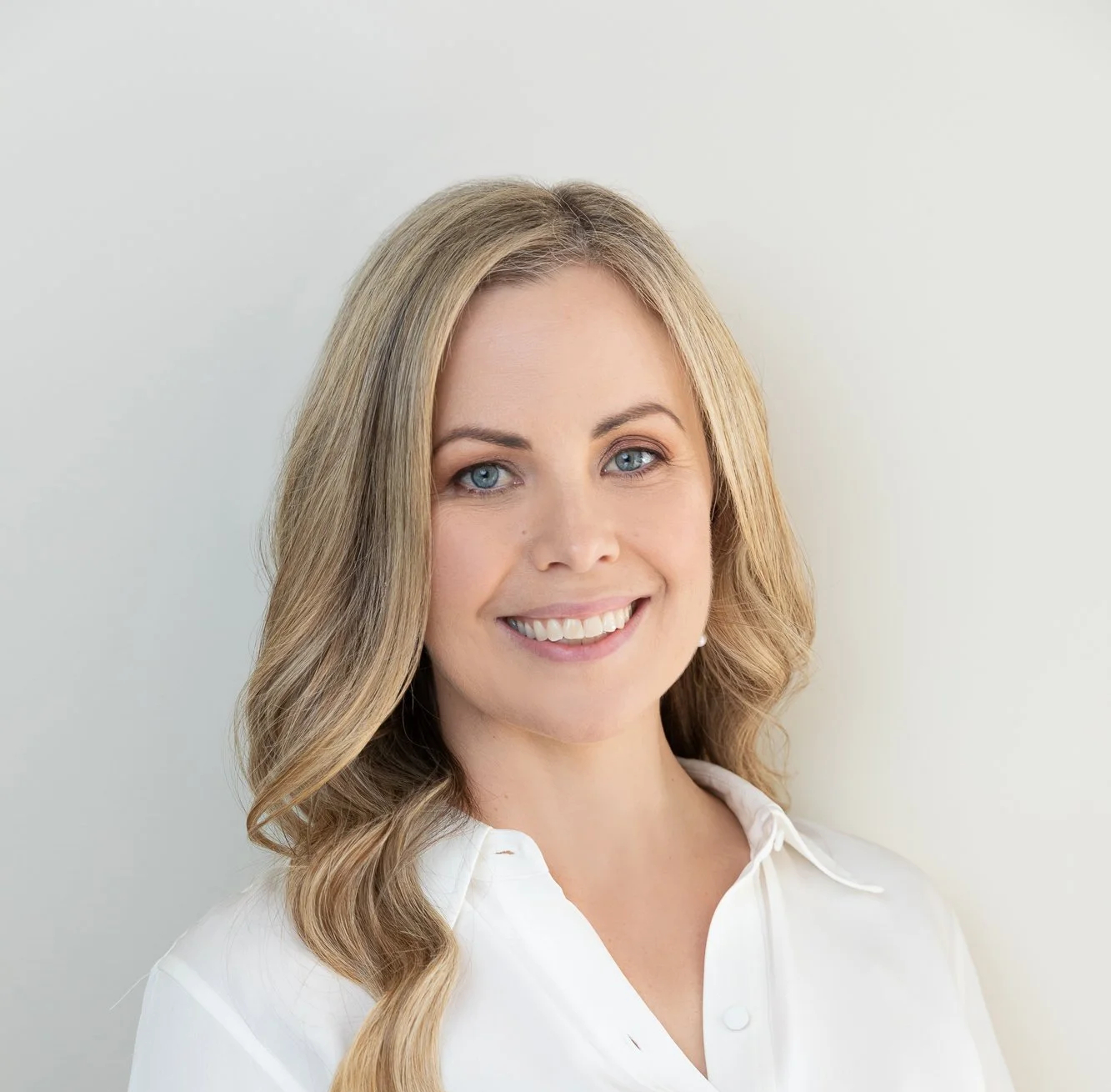
Like many Australian couples therapists, in my undergraduate and post graduate training and for the first ten years of my practice, I trained and worked primarily as an individual clinician. As a clinical psychologist, my focus was on evidence-based treatments for anxiety, depression, trauma, and stress-related disorders. Yet even early on, it was clear that many of the difficulties clients brought into the therapy room were deeply rooted in their relationships. Interpersonal conflict, emotional disconnection, and chronic misunderstandings and differences were often central to their distress.
Like many individual clinicians, I regularly worked with clients on assertiveness, emotion regulation in high-conflict relationships, and challenging unhelpful or inaccurate beliefs about themselves or their partners. These interventions were often effective in increasing insight and coping capacity. However, there were times when progress plateaued. Despite improvements in individual functioning, the relational environment in which clients lived remained unchanged, continuing to trigger emotional distress.
This clinical experience aligns with a robust body of research demonstrating strong associations between relationship distress and mental health difficulties, including depression, anxiety, substance use, and trauma-related symptoms (Whisman & Baucom, 2012). Relationship dissatisfaction has been identified as both a risk factor for the onset of mental health disorders and a maintaining factor that can undermine individual treatment gains (Beach et al., 1994). In couple therapy settings, co-morbid mental health conditions are common, with many couples presenting where one or both partners meet diagnostic criteria for mood or anxiety disorders (Baucom et al., 2012).
Learning Gottman Method Couples Therapy enriched my clinical understanding. The system made more sense. Rather than solely exploring relationship distress and its management solely within the individual, I had the framework that accounted for both partners, their interactional patterns, shared history, cultural context, and the emotional meaning embedded in their relationship. This systemic perspective reflects core principles of couple and family psychology, which emphasise the reciprocal influence between individual functioning and relational dynamics (Lebow et al., 2012).
Over the past ten years, combining a strong foundation in individual treatment with training in Gottman Method Couples Therapy has significantly strengthened my ability to work thoughtfully with relationship concerns across both modalities. This dual training allows me to clearly identify when individual work has reached its limits and when couples therapy is the most appropriate next step—and to refer clients on accordingly. Likewise, when working with couples, I can recognise when individual therapy would better support one or both partners and facilitate timely referrals.
Outcome research on evidence-based couple therapies, including Gottman Method, demonstrates significant improvements in relationship satisfaction, conflict management, and emotional connection (Gottman & Gottman, 2015; Lebow et al., 2012). Improvements in relationship functioning are also associated with reductions in individual symptoms of depression and anxiety, highlighting the bidirectional relationship between relational health and mental health (Beach et al., 1994).
Holding both lenses has enhanced my clinical confidence and decision-making, ensuring that clients receive the most appropriate form of care at the right time. Just as importantly, it has strengthened my ability to collaborate and connect clients with other brilliant clinicians—supporting ethical practice, continuity of care, and better outcomes across individual and relational work. Whether you are interested in working with couples directly, or wanting to support your individual work, Level 1 Gottman Method Couples Therapy is a invaluable place to start. Come join Campbell Townsend and I for a face to face training opportunity in Melbourne, 19 & 20 March 2026.
And for the RIA Live via ZOOM Level 1 options - jump on the website.
We look forward to meeting you.
Carole Simpson
Clinical Psychologist
Certified Gottman Therapist and Level 1 Trainer
Beach, S. R. H., Whisman, M. A., & O’Leary, K. D. (1994). Marital therapy for depression: Theoretical foundation, empirical evidence, and future directions. Behavior Therapy, 25(4), 613–639. https://doi.org/10.1016/S0005-7894(05)80029-8
Baucom, D. H., Whisman, M. A., & Paprocki, C. (2012). Couple-based interventions for psychopathology. Journal of Family Therapy, 34(3), 250–270. https://doi.org/10.1111/j.1467-6427.2012.00581.x
Gottman, J. M., & Gottman, J. S. (2015). 10 principles for doing effective couples therapy. W. W. Norton & Company.
Lebow, J., Chambers, A., Christensen, A., & Johnson, S. (2012). Research on the treatment of couple distress. Journal of Marital and Family Therapy, 38(1), 145–168. https://doi.org/10.1111/j.1752-0606.2011.00249.x
Whisman, M. A., & Baucom, D. H. (2012). Intimate relationships and psychopathology. Clinical Child and Family Psychology Review, 15(1), 4–13. https://doi.org/10.1007/s10567-011-0107-2